For many producers, fire damage in the vineyard is a devastating prospect that often results in discarded fruit and lost revenue. However, recent trials suggest that advanced filtration and adsorption techniques can offer a lifeline. We have been investigating specific remediation of smoke taint in winemaking strategies. Our goal is to determine if “unusable” fruit can be salvaged through targeted intervention.
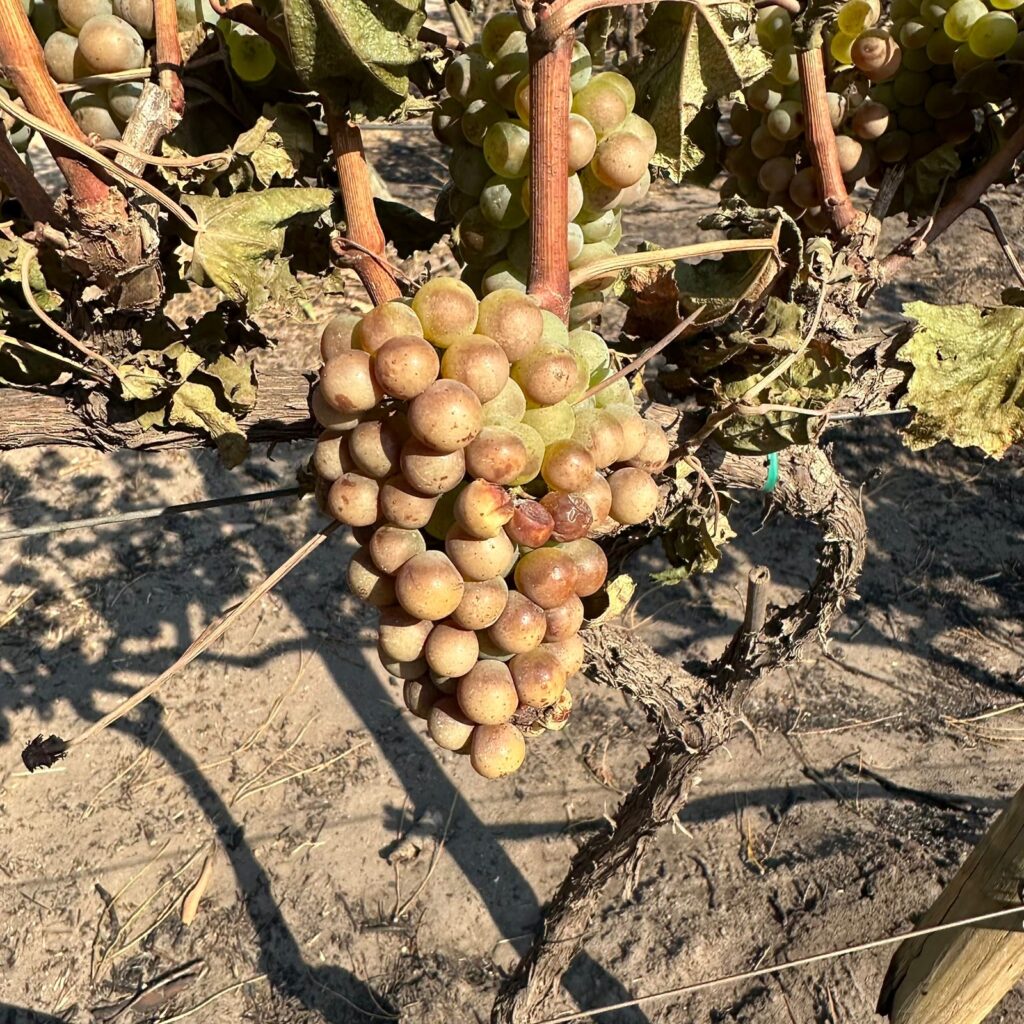
To push the limits of our protocols, we conducted a rigorous trial on two tons of Chardonnay grapes that had been severely scorched by fire. Under normal circumstances, this fruit would have been abandoned due to the high concentration of volatile phenols. Nevertheless, we chose to isolate and vinify this batch separately. Our goal was to challenge ClearUP BIO under the most extreme smoke exposure conditions possible, providing a real-world test for modern remediation of smoke taint in winemaking technologies.
The Impact of Targeted Adsorption
During the trial, ClearUP BIO was applied at a rate of 40 g/hL during the juice settling phase. After a settling period of 36 hours, the physical results were immediately apparent. Specifically, a significant layer of black particulate matter formed within the lees. It is important to note that this was not the result of traditional carbon fining. Instead, the sediment consisted of encapsulated ash and cresol-derived compounds that had been successfully adsorbed and settled out by the product.
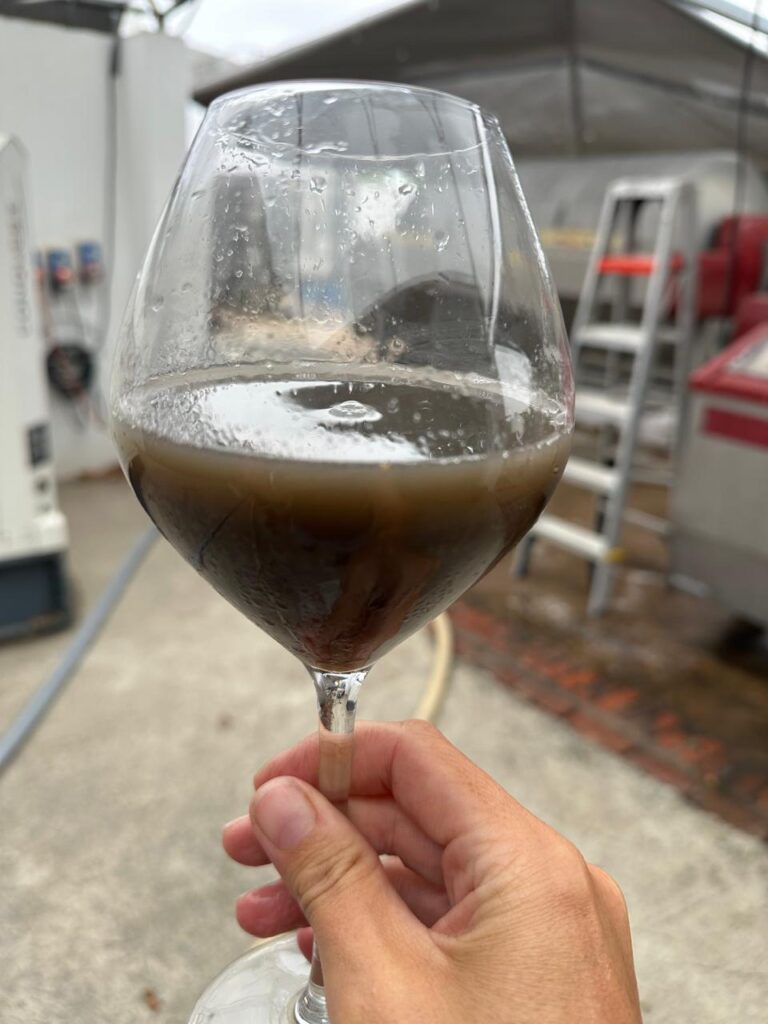
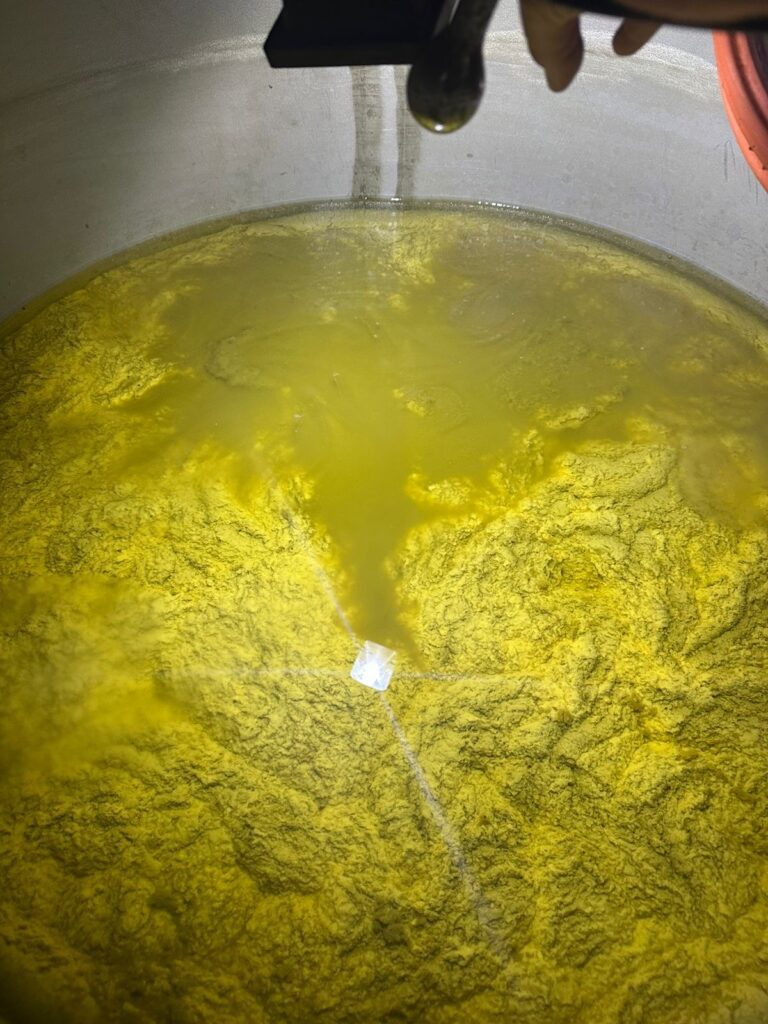

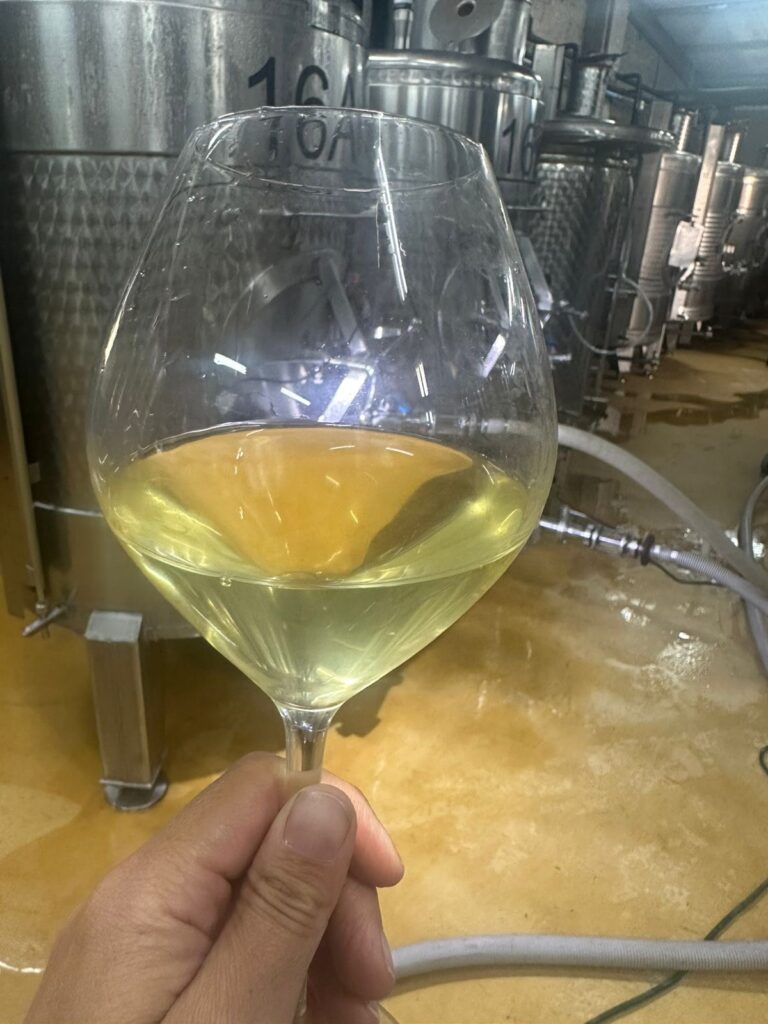
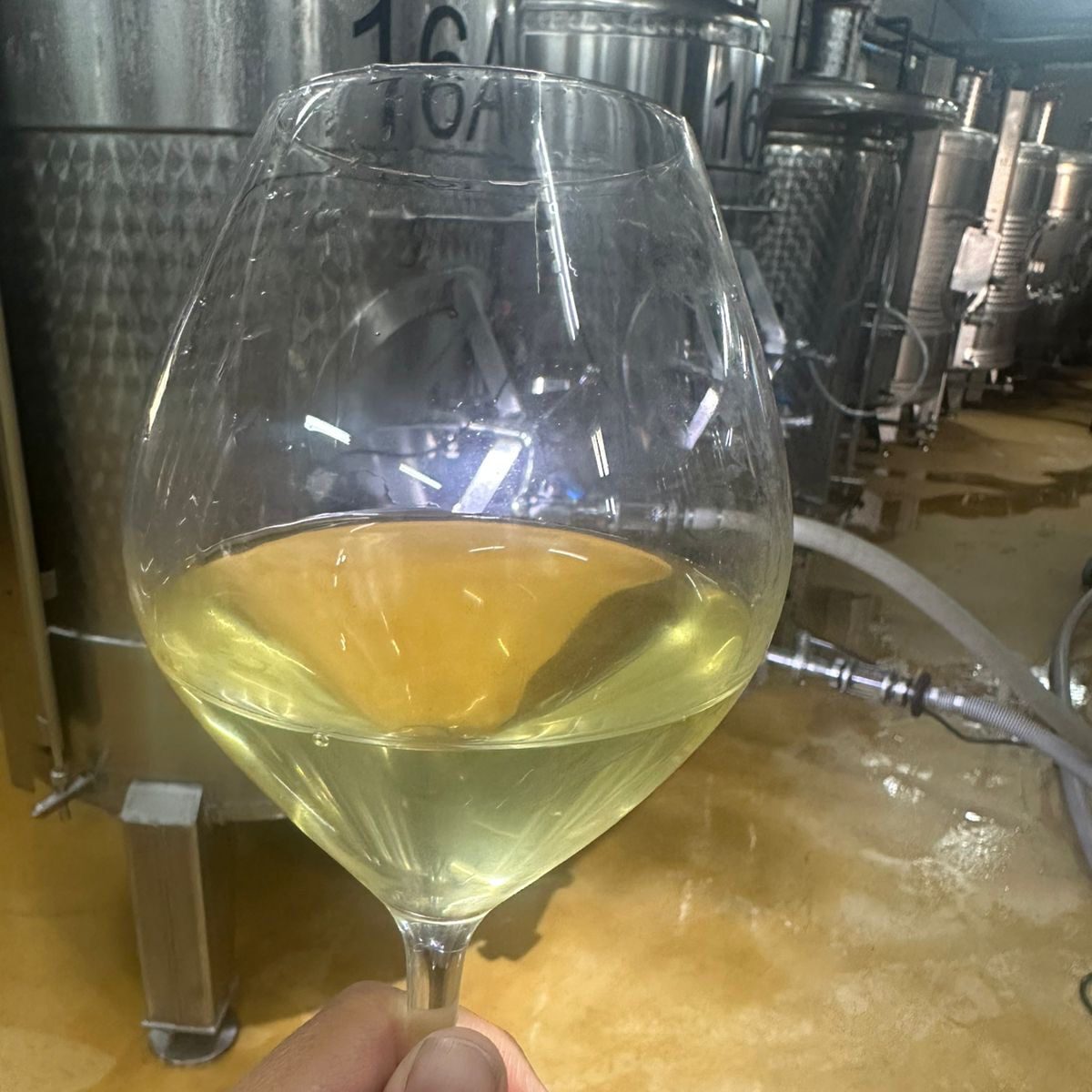
Furthermore, the visual transformation of the juice was remarkable. There was a distinct color difference between the juice immediately following the whole-bunch press and the juice after the settling period. This clarity was achieved without any additional fining agents. Only enzymes and ClearUP BIO were utilized. Consequently, this trial demonstrates that the remediation of smoke taint in winemaking can be achieved more naturally. This is done by removing the physical and chemical precursors of taint before fermentation begins.
Moving Toward Data-Driven Solutions
While the visual and sensory improvements in the cellar were undeniable, we are currently awaiting the formal analytical results from pre- and post-settling samples. These findings will provide the empirical data needed to quantify the reduction of smoke-derived compounds. As soon as this data becomes available, we will share the findings to help you refine your own remediation of smoke taint in winemaking protocols. By utilizing these innovative tools, winemakers can protect their brand integrity even in the face of challenging environmental events.
Contact sales@fermtech.co.za to set up a consultation or click here to book an appointment online. FermTech Solutions are proud to be associated with 2B FermControl, Orion Cooperage, Speidel, Tinajas Moreno Leon, Biorself and DNA Smart Analysis.
For exclusive updates and industry insights, subscribe to our newsletter and stay informed.