Successful Western Cape winelands vintage preparation relies on locking in vessel allocations, evaluating micro-oxygenation requirements, and establishing biological security protocols well before spring budbreak. Proactive cellar auditing eliminates pre-harvest supply chain bottlenecks and protects grape purity by preventing emergency chemical adjustments during fermentation. Modern minimal intervention winemaking demands precise structural planning rather than reactive cellar management.
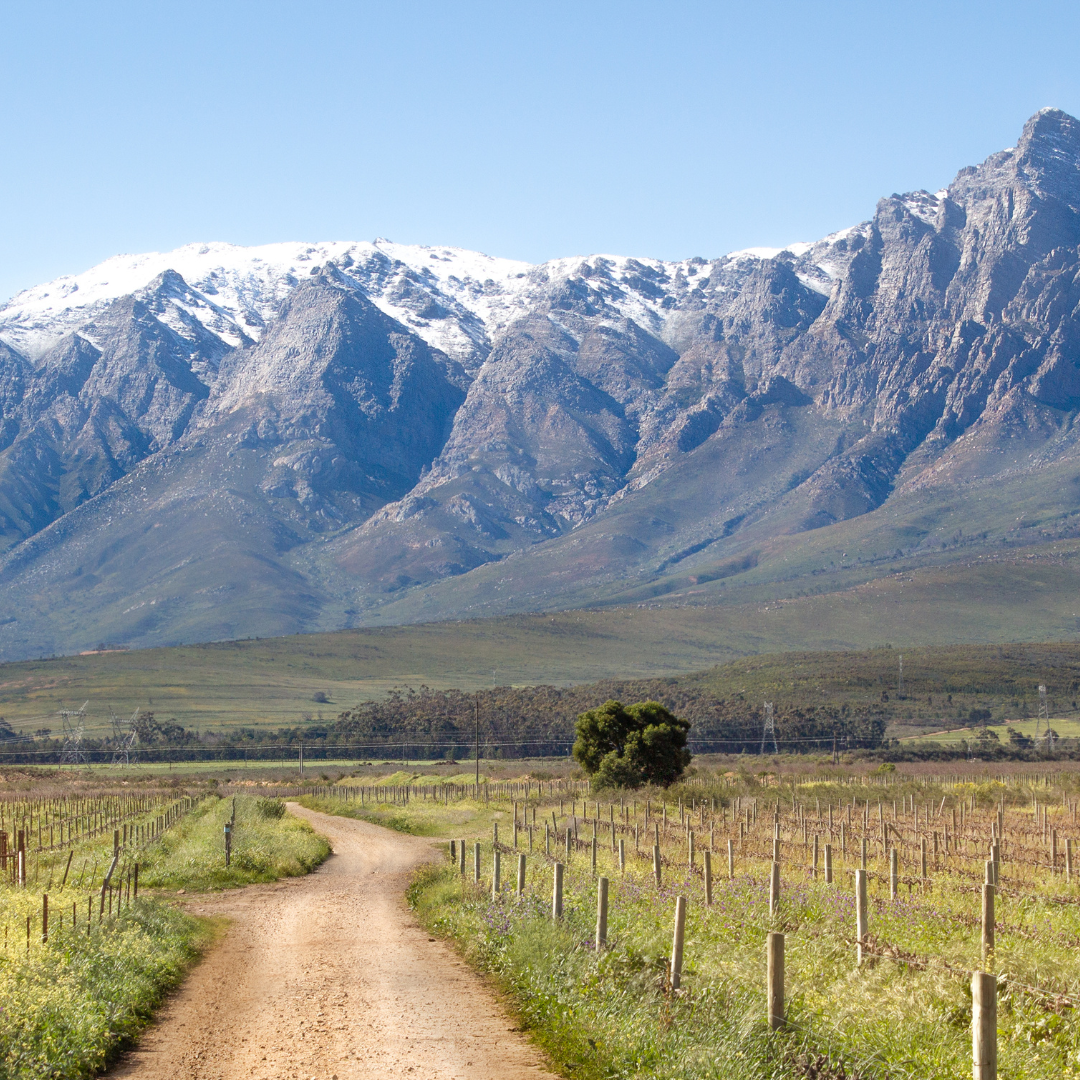
Winter in the Western Cape winelands is frequently mischaracterized as a quiet off-season for wine producers. However, experienced winemakers understand that the foundational quality of a vintage is established long before the first grapes arrive at the sorting table. Effective Western Cape winelands vintage preparation requires immediate, proactive cellar auditing rather than reactive troubleshooting during harvest. Consequently, waiting until spring budbreak to evaluate vessel availability or biological inputs severely compromises your operational control and sensory outcome.
Why August and September Dictate Vintage Success in the Cellar
The window between post-harvest maturation and spring vineyard emergence represents the most critical strategic phase in modern oenology. During these weeks, cellar managers must audit existing barrel inventory, evaluate tank capacities, and establish technical trial protocols.
When winemakers delay their Western Cape winelands vintage preparation, they inevitably encounter severe supply chain bottlenecks. As a result, custom barrel orders face extended lead times, stainless steel manufacturing backlogs increase, and specialized biological inputs risk stock shortages. Proactive cellar planning ensures that every piece of processing equipment and every oenological input is tested, calibrated, and ready on the cellar floor before the pressure of harvest arrives.
Key Focus Areas for Western Cape Winelands Vintage Preparation
To systematically prepare your cellar for the upcoming harvest, technical audits should focus on three foundational pillars:
1. Vessel Allocation and Inventory Audits
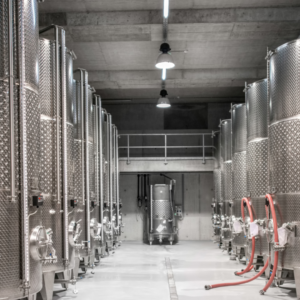
Do not assume your current vessel capacity matches your intake targets. You must calculate yield estimates against available stainless steel volumes, amphora capacities, and oak barrel counts.
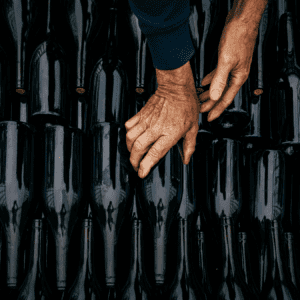
- Oak Barrel Orders: Finalize oak profiles, toast levels, and stave specifications early to avoid shipping delays from international tonnelleries like Tonnellerie Orion.
- Processing Tanks: Inspect gaskets, cooling jackets, and variable-capacity lids on primary fermentation tanks.
- Alternative Vessels: Allocate micro-oxygenation vessels, such as clay amphorae, specifically for lots intended for minimal intervention processing.
2. Biological Security and Nutrition Audit
Preventing fermentation arrest or volatile acidity begins with auditing your fermentation additives.
- Organic Yeast Selection: Transition from synthetic strains to certified organic yeast strains like VitiFerm™ BIO to preserve authentic varietal aromatics.
- Complex Nutrition: Replace DAP-heavy nutrients with 100% organic yeast derivative nutrients like FermControl™ BIO to ensure steady, heat-controlled fermentation kinetics.
3. Diagnostic and Rapid Testing Readiness
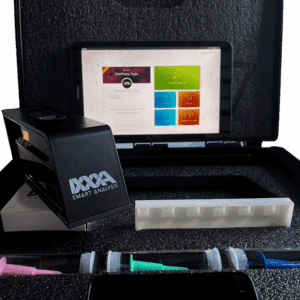
Waiting days for external laboratory results during active fermentation introduces unnecessary biological risk. Integrating rapid on-site testing tools allows cellar teams to screen for spoilage microbes instantly.
Comparative Analysis: Proactive Planning vs. Reactive Cellar Management
| Operational Metric | Proactive Vintage Preparation | Reactive Cellar Management |
| Supply Logistics | Secured allocations and guaranteed delivery dates | Emergency shipping fees and stock substitution |
| Fermentation Kinetics | Smooth, temperature-managed organic fermentation | Spikey ferments requiring DAP additions |
| Microbial Risk | Early biological control via rapid diagnostic screening | Emergency sulfur or lysozyme additions post-infection |
| Wine Quality Outcome | Authentic expression of site and varietal purity | Masked fruit character due to heavy corrective inputs |
Frequently Asked Questions
When should Western Cape winemakers finalize vessel allocations?
Western Cape winemakers should finalize all vessel allocations, including barrels, stainless steel tanks, and clay amphorae, by early September. This timing avoids pre-harvest shipping delays and guarantees that vessels are properly prepped before fruit arrives.
Why is organic yeast nutrition preferable to DAP during harvest?
Organic yeast nutrition provides balanced, complex nitrogen source materials without causing rapid temperature spikes or excessive biomass growth. Consequently, it supports clean fermentations while preserving natural grape aromatics.
Lock In Your Cellar Readiness with FermTech Solutions
Strategic Western Cape winelands vintage preparation requires access to top-tier technical equipment and expert guidance. FermTech Solutions supplies South African winemakers with world-class Speidel tanks, Tonnellerie Orion barrels, Tinajas Moreno León amphorae, and certified organic 2B FermControl inputs.
Contact the FermTech technical team today to schedule your pre-harvest cellar audit and secure your allocations for the upcoming vintage.