Key Takeaways
- The Core Challenge: There is a widening systemic disconnect between the romantic art of premium liquid production and long-term financial business viability
- The Modern Blueprint: Forging a sustainable wine career in today’s volatile market requires a shift from technical cellar jargon toward interdisciplinary financial literacy, value-chain optimization, and alignment with evolving retail wellness trends.
- Expert Consensus: The FermTech Solutions panel (featuring Christian Eedes, Samantha Suddons, and Sean Gomes) concluded that winemakers must actively choose between a scaled retail model or a lean, high-margin direct-to-consumer strategy to maintain commercial resilience.
The traditional dream of the winemaker is unapologetically romantic: tending to old vines, monitoring sugars, and allowing creative intuition to guide the cellar. However, a widening chasm is forming between the romantic art of liquid production and the harsh economic realities of running a resilient business. To navigate these challenges, modern professionals must pivot their focus toward long-term business viability to secure a sustainable wine career.
To confront this industry-wide disconnect head-on, an elite cohort of South African winemaking talent recently gathered at Terroir Terrace, Bistro Sixteen82 at the historic Steenberg Estate in the Western Cape. Hosted by oenological pioneers FermTech Solutions, the event featured an unscripted, slide-free panel discussion titled: Building a Wine Career in a Changing World.
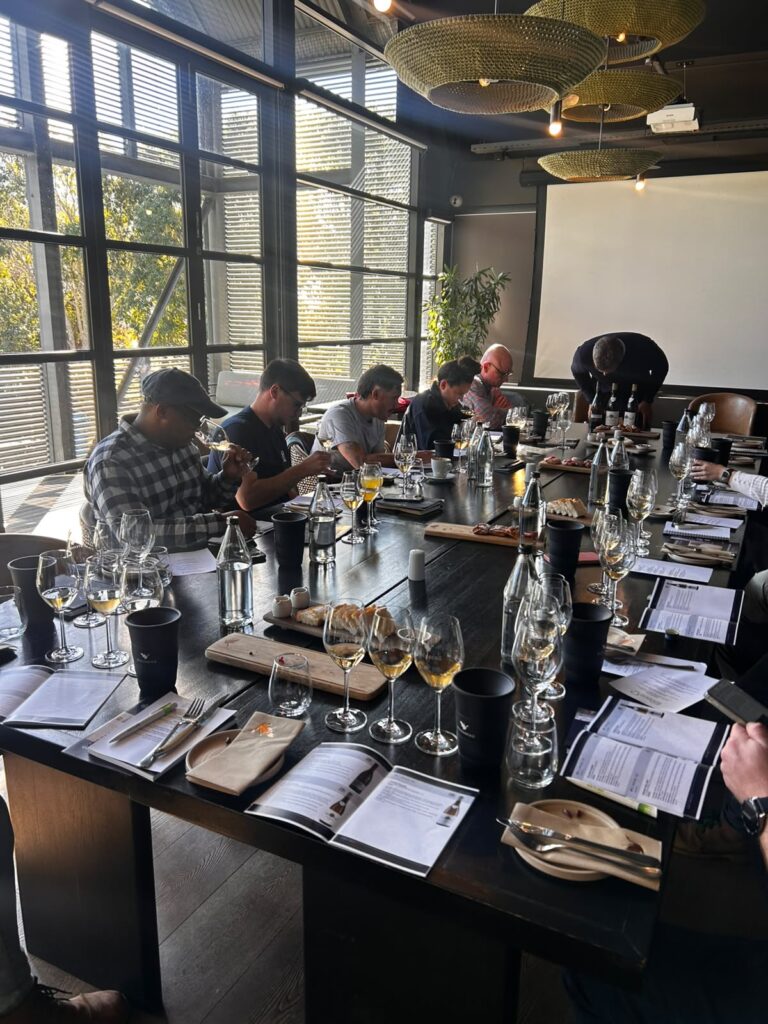
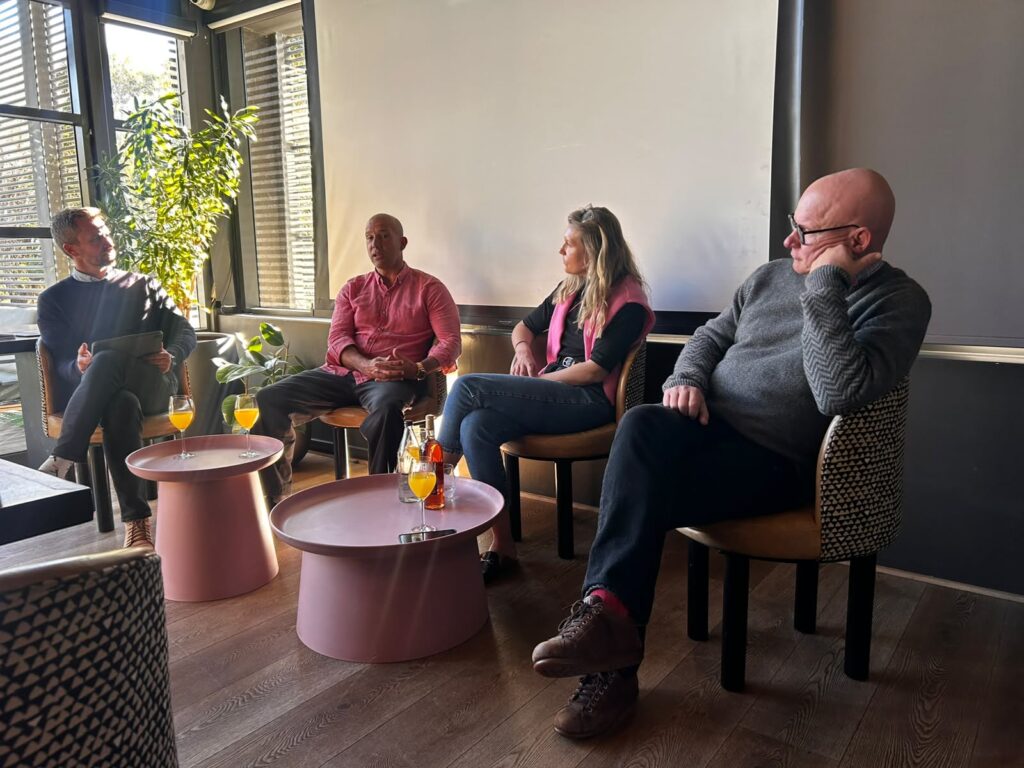
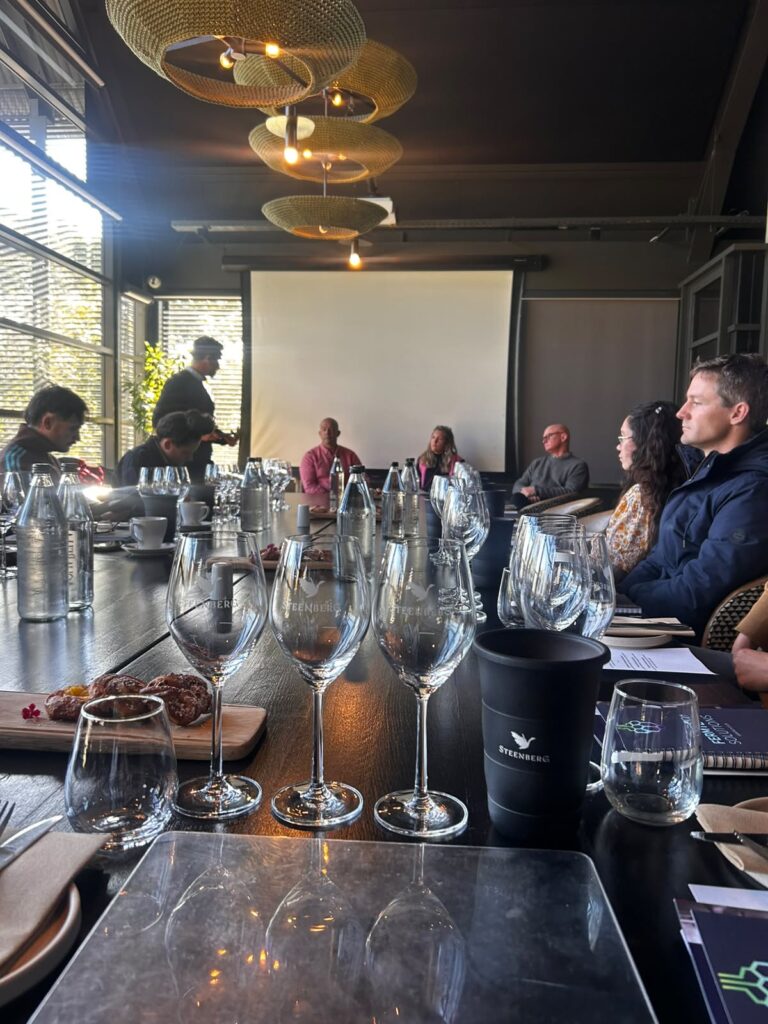
Bypassing corporate pitches and dense technical jargon, the debate offered an honest look at the strategic trade-offs, financial pressures, and operational adaptations required to survive the modern global marketplace.
At a Glance: The Panelists & Core Perspectives
The panel brought together complementary voices across media, production, and retail health to address how professionals can build a truly sustainable wine career:
| Panelist | Industry Role | Core Focus Area |
| Christian Eedes | Editor, WineMag.co.za | Media critique, premiumisation trends, and consumer shifting patterns. |
| Samantha Suddons | Owner & Winemaker, VineVenom | Entrepreneurial boutique production, minimal intervention, and financial grit. |
| Sean Gomes | Co-Founder, Wellness Warehouse | Macro retail dynamics, clean-label consumer health trends, and commercial scaling. |
Reality Checks for the Modern Winemaker
For those seeking to forge a sustainable wine career, the panel highlighted three critical areas where artistic expression must align with commercial reality:
1. Bridging Liquid and Logic
A flawless bottle of wine is a monumental achievement, but exceptional liquid does not sell itself. Aspiring winemakers frequently compromise their career longevity by ignoring foundational business metrics: cash-flow forecasting, supply chain logistics, and cost-of-sales optimization. To thrive, the modern cellar master must be as fluent in the balance sheet as they are in brix levels and oak choices.
2. Stripping Away Jargon for Absolute Value
Many boutique estates hide behind hyper-technical oenological terminology to mask financial vulnerability. The panel advocated for radical transparency. True industry sustainability means making definitive choices: either optimizing your value chain to scale effectively for retail distribution, or focusing strictly on a lean, high-margin direct-to-consumer model.
3. Aligning with Shifting Consumer Ideals
Global consumption habits are evolving rapidly, with younger demographics purchasing less volume but demanding higher ethical standards. Aligning cellar practices with eco-conscious trends—such as utilizing organic active yeasts and low-intervention protocols—is no longer a niche marketing gimmick; it is an economic prerequisite for anyone targeting a sustainable wine career.
Strategic Takeaways for Industry Professionals
To protect your business from market volatility, consider adopting these actionable frameworks championed during the discussion:
- Embrace Interdisciplinary Skills: Winemaking expertise must be actively paired with comprehensive financial literacy and brand strategy.
- Optimise Cellar Inefficiencies: Protect your margins by auditing hidden costs, from over-engineered carton packaging to poor press-fraction management.
- Incorporate Forward-Thinking Technology: Use smart kinetic analysis and sustainable biological inputs to secure clean fermentations, avoiding costly batch spoilage.
To discover more technical protocols, cellar strategies, and upcoming masterclasses, explore the official FermTech Solutions knowledge base.